Sunday, June 2, 2013

Remember the Alamo! - San Antonio

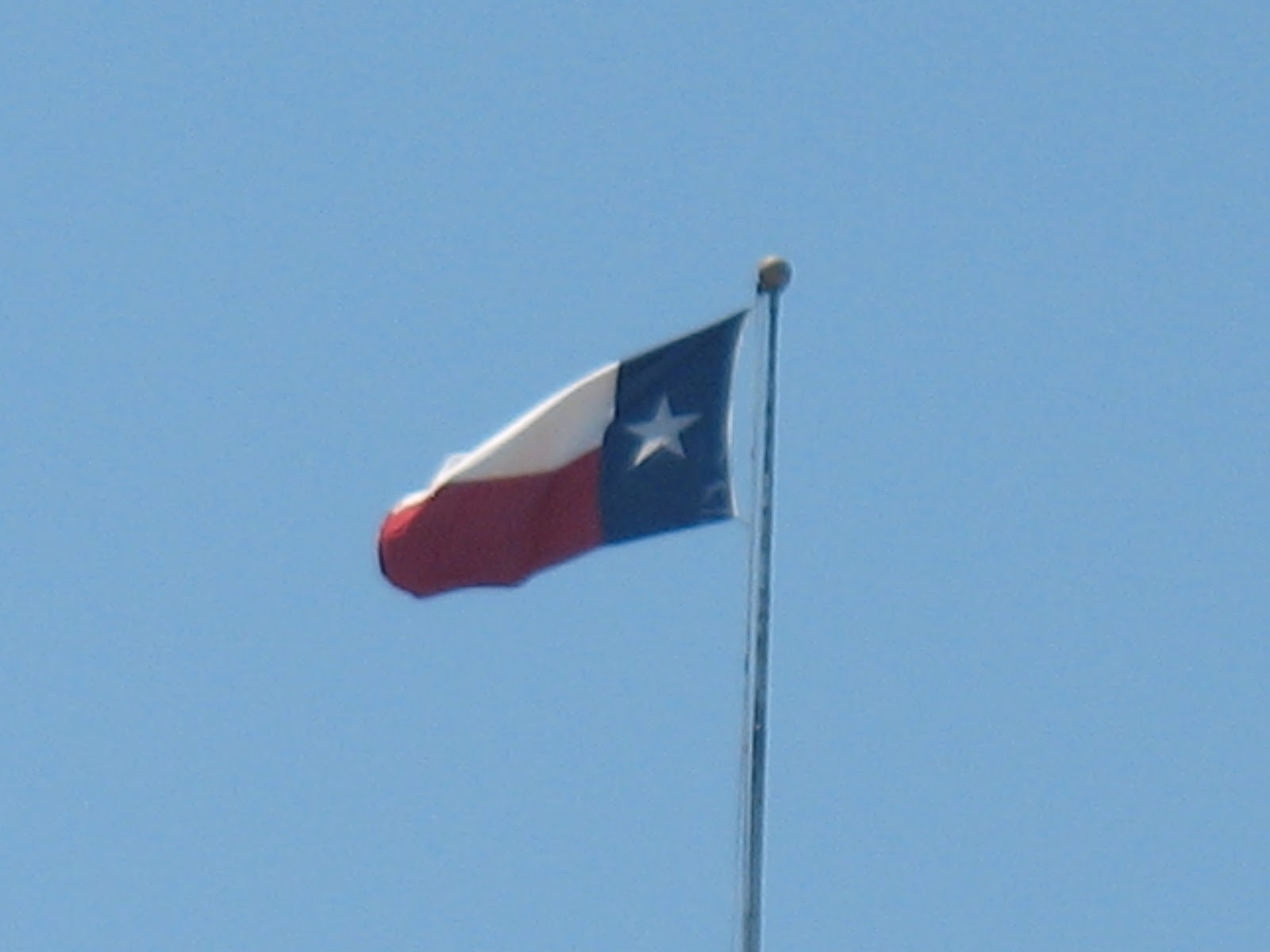
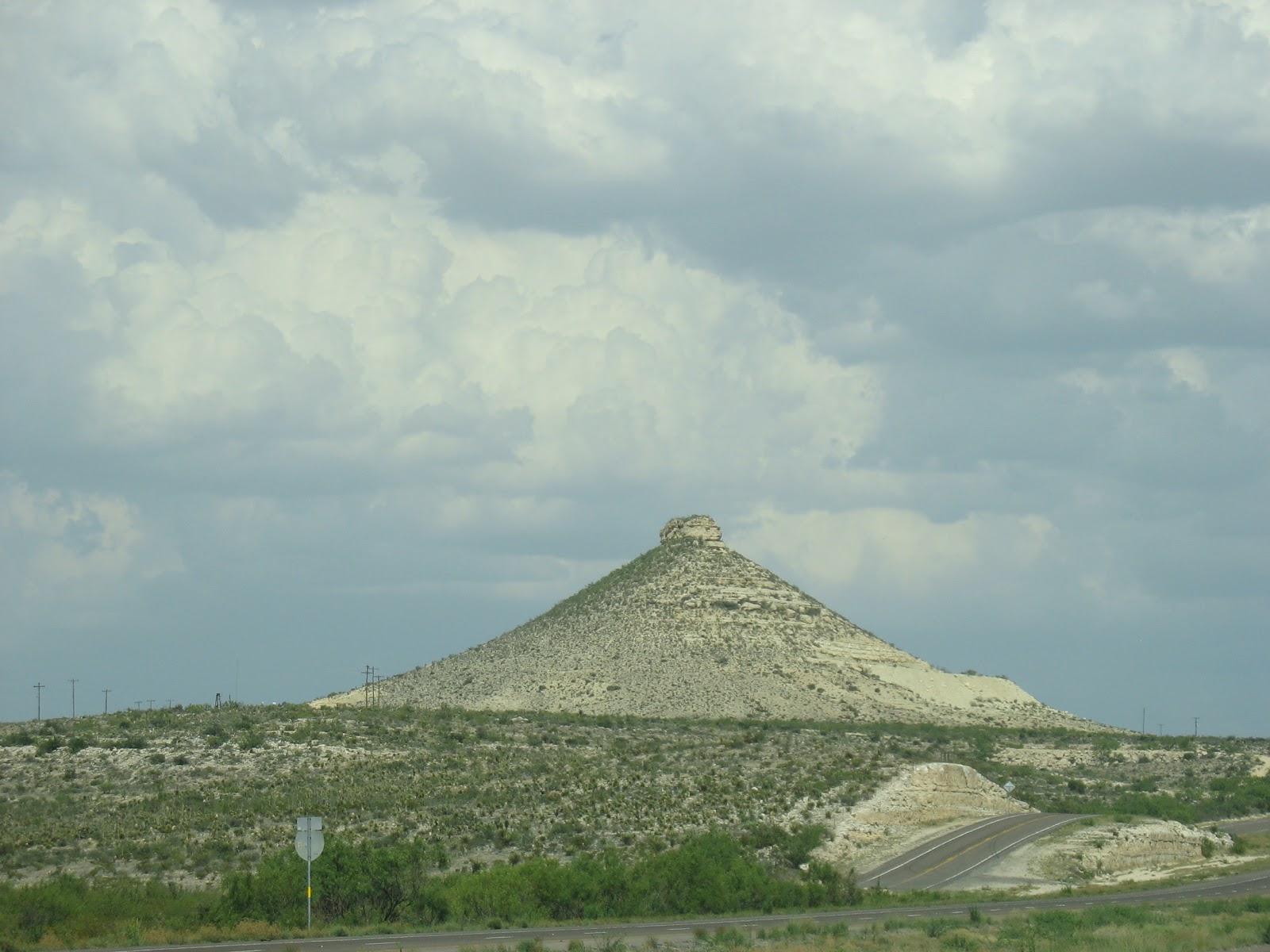
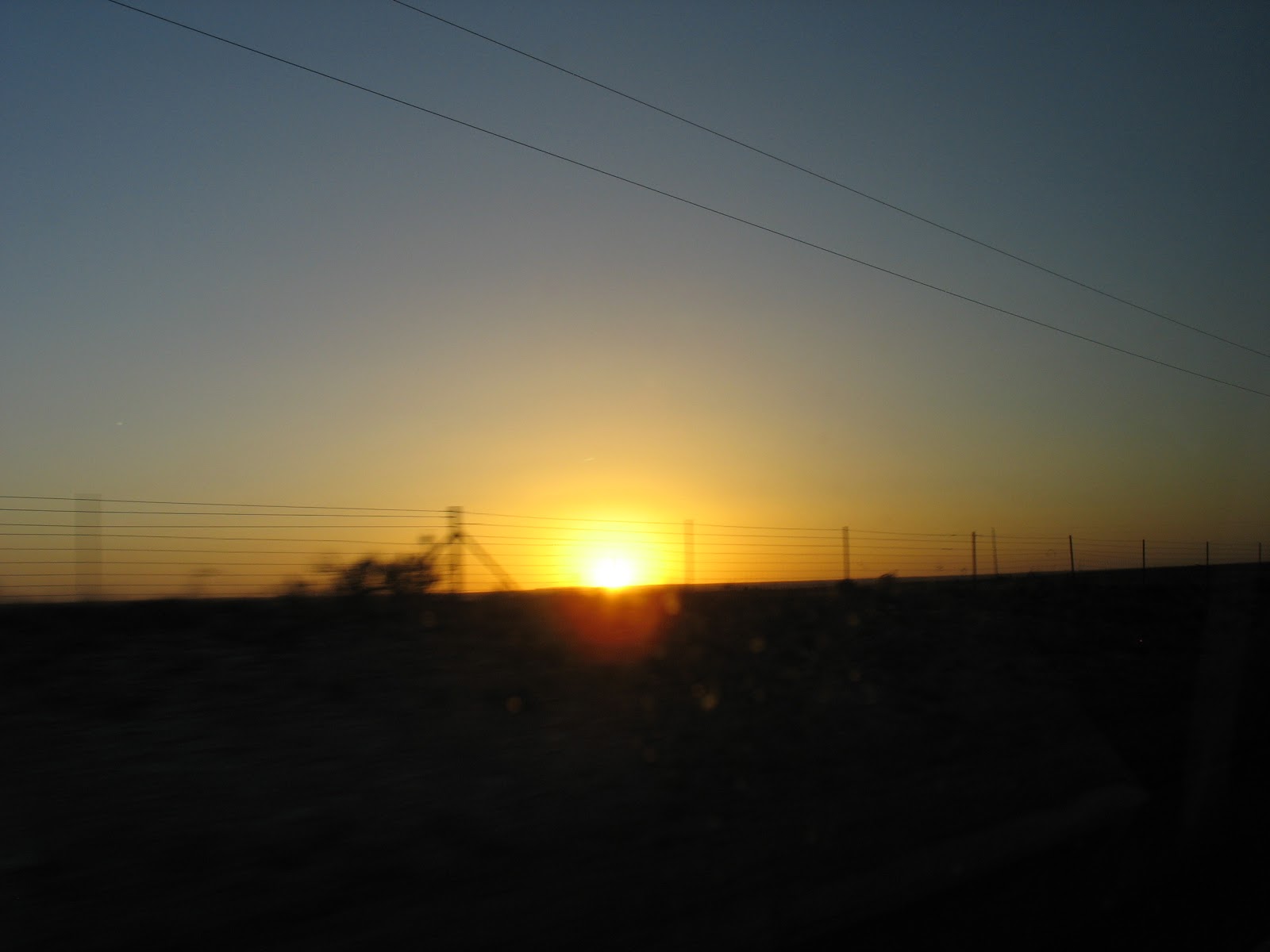
The sun done ris', and the sun done set, and we ain't out of Texas yet!

My mom used to say that.  Though I can't remember ever driving through Texas with her.


Texas is BIG.  San Antonio is in the bottom center.  It's really a great place to visit, if you happen to be anywhere near there, which you never will be, because nothing is anywhere near there!  Except maybe Houston.
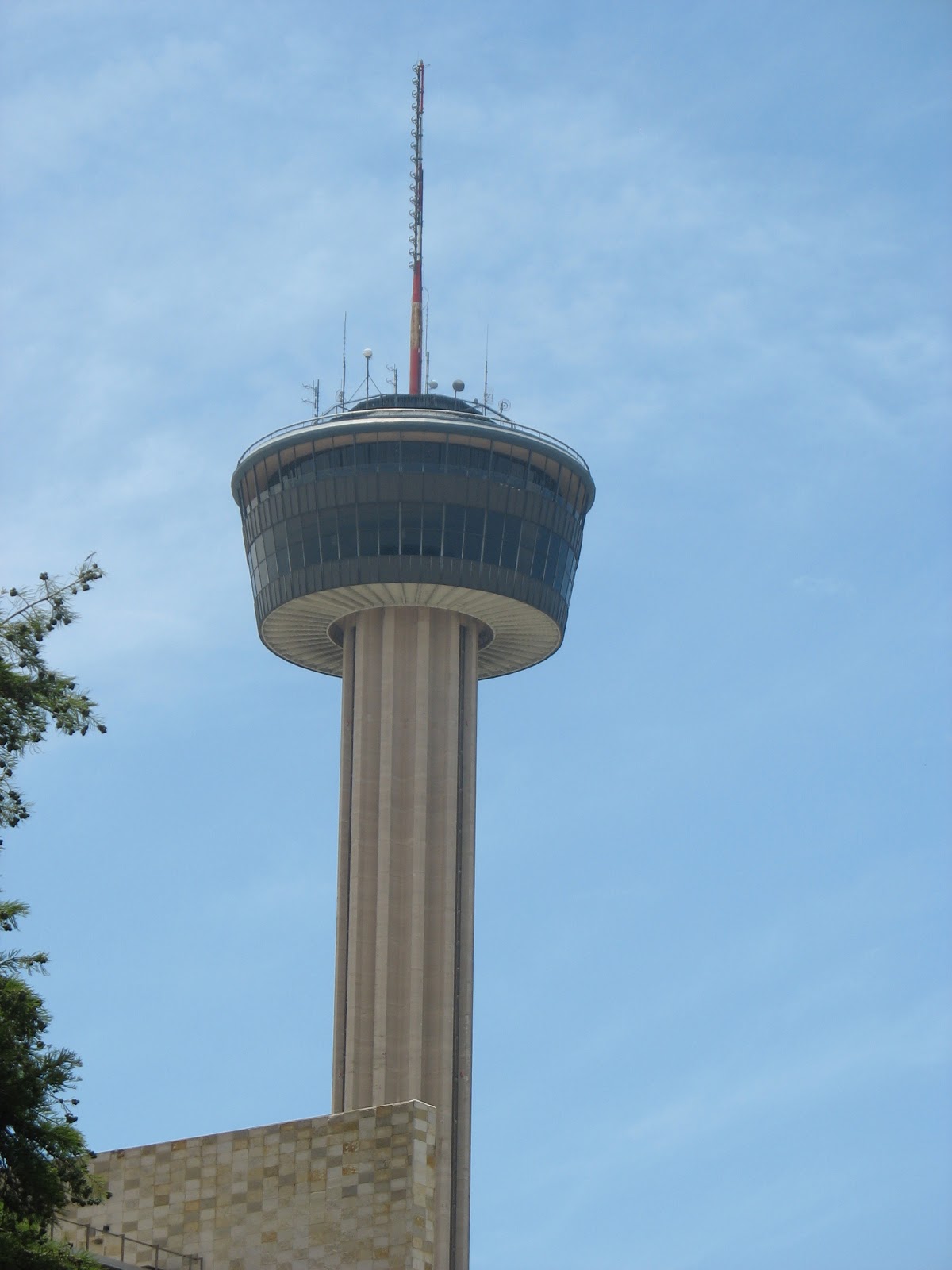

Hey!  San Antonio has a space needle too! 


  This is so cool - I LOVE Dr. Seuss!


Right smack in the center of downtown San Antonio lies the Alamo.  The Alamo.  Home of Davie Crockett, Jim Bowie and Texas liberty!  Yeah, we visited it.


The Battle of the Alamo
From: http://www.thealamo.org/battle/battle.php and wikipedia.
Originally named Misión San Antonio de Valero, the Alamo served as home to missionaries and their Indian converts for nearly seventy years. Construction began on the present site in 1724. In 1793, Spanish officials secularized San Antonio's five missions and distributed their lands to the remaining Indian residents. These men and women continued to farm the fields, once the mission's but now their own, and participated in the growing community of San Antonio.

The Battle of the Alamo (February 23 – March 6, 1836) was a pivotal event in the Texas Revolution. Following a 13-day siege, Mexican troops under President General Antonio López de Santa Anna launched an assault on the Alamo Mission near San Antonio de Béxar (modern-day San Antonio, Texas, USA).

Several months previously, Texians had driven all Mexican troops out of Mexican Texas. Approximately 100 Texians were then garrisoned at the Alamo. The Texian force grew slightly with the arrival of reinforcements led by eventual Alamo co-commanders James Bowie (famous for the Bowie knife), and William B. Travis (who was only 26 years old.)  On February 23, approximately 1,500 Mexicans marched into San Antonio de Béxar as the first step in a campaign to re-take Texas. For the next 10 days the two armies engaged in several skirmishes with minimal casualties. Aware that his garrison could not withstand an attack by such a large force, Travis sent multiple couriers to plead for more men and supplies, but fewer than 100 reinforcements arrived.

On the eighth day of the siege, a band of 32 volunteers from Gonzales appeared, bringing the number of defenders to nearly two hundred. Legend holds that with the possibility of additional help fading, Colonel Travis drew a line on the ground and asked any man willing to stay and fight to step over — all except one did. As the defenders saw it, the Alamo was the key to the defense of Texas, and they were ready to give their lives rather than surrender their position to General Santa Anna. Among the Alamo's garrison were Jim Bowie, renowned knife fighter, and David Crockett, famed frontiersman and former congressman from Tennessee.

The final assault came before daybreak on the morning of March 6, 1836, as columns of Mexican soldiers emerged from the predawn darkness and headed for the Alamo's walls. Cannon and small arms fire from inside the Alamo beat back several attacks.  As Mexican soldiers scaled the walls and rushed into the compound, most of the Texian soldiers withdrew into interior buildings.  Once inside, the Mexicans turned a captured cannon on the Long Barrack and church, blasting open the barricaded doors. The desperate struggle continued until the defenders were overwhelmed, and the handful of survivors were executed.   By sunrise, the battle had ended and Santa Anna entered the Alamo compound to survey the scene of his victory.

Most eyewitness accounts reported between 182 and 257 Texians dead, while most historians of the Alamo agree that 400–600 Mexicans were killed or wounded. Several noncombatants were sent to Gonzales to spread word of the Texian defeat. 

While the facts surrounding the siege of the Alamo continue to be debated, there is no doubt about what the battle has come to symbolize. People worldwide continue to remember the Alamo as a heroic struggle against impossible odds — a place where men made the ultimate sacrifice for freedom. For this reason, the Alamo remains hallowed ground and the Shrine of Texas Liberty.

  
Vacation fudge.

We have a family tradition: we always buy fudge when on vacation.  As such, we've become fudge connoisseurs, and yet we've never seen some of the flavors offered in the Alamo gift shop: key lime, rasberry cheesecake, "birthday bash" with sprinkles!

After the Alamo, we walked around downtown.  Here is the Ripley's Believe-it-or-Not show. 


Y'all know who this is, right?!

San Antonio has some of the most beautiful city planning I've ever seen.  The San Antonio River runs right through the heart of downtown.  In September 1921, a disastrous flood along the river took fifty lives.  Plans were then developed for flood control, and the city has now turned it into a major attraction.  One level down from the automobile street, the River Walk winds and loops under bridges framed by two parallel sidewalks lined with restaurants and shops.  

We had chile rellenos for lunch - again, they're good - but the salsa was warm.  Is that a Texas thing, or unique to that restaurant?  It's kind of like salsa marinara - not so good.


On to Houston for the night.  A couple of funny things along the way:

We passed "Hollering Woman Creek" - I'd love to hear that story!

I got bitten on the foot by a swarm of tiny ants.  No harm done, but weird.

Houston has a National Museum of Funeral History.  Hmm.  Fun vacation spot.


Saturday, June 1, 2013

Aliens & Cowboys - New Mexico to Texas

We woke up today in Roswell, New Mexico and headed straight for the UFO Museum.


Roswell's claim to fame results from a UFO incident, when an airborne object crashed on a ranch on July 7, 1947. Explanations of what actually took place are based on both official and unofficial communications. The most popular theory of what happened is that the object was a spacecraft containing extraterrestrial life.  The government says it was debris from the crash of an experimental high-altitude surveillance balloon.  In contrast, many UFO proponents maintain that an alien craft was found, its occupants were captured, and that the military engaged in a massive cover-up. The Roswell incident has turned into a widely known pop culture phenomenon, making the name "Roswell" synonymous with UFOs.  (Wikipedia)


An unidentified flying object crashed on a ranch northwest of Roswell, New Mexico, sometime during the first week of July 1947.  Rancher W.W. “Mack” Brazel said later he found debris from the crash as he and the son of Floyd and Loretta Proctor rode their horses out to check on sheep after a fierce thunderstorm the night before. Brazel said that as they rode along, he began to notice unusual pieces of what seemed to be metal debris scattered over a large area. Upon further inspection, he said, he saw a shallow trench several hundred feet long had been gouged into the ground.


Brazel said he was struck by the unusual properties of the debris and, after dragging large pieces of it to a shed, he took some of it over to show the Proctors.  The Proctors told Brazel he might be holding wreckage from an alien spacecraft — a number of UFO sightings had been reported in the United States that summer — or a government project, and that he should report the incident to Chaves County Sheriff George Wilcox.

In their book, A History of UFO Crashes, UFO researchers Don Schmitt and Kevin Randle say their research shows military radar had been tracking an unidentified flying object in the skies over southern New Mexico for four days. On the night of July 4, 1947, radar indicated the object had gone down about 30-40 miles northwest of Roswell.

Scattered in the debris were small bits of metal that Marcel, the investigator held a cigarette lighter to to see if it would burn.  Along with the metal, Marcel described weightless “I”-beam-like structures that were three-eights inch by one-quarter inch, none of them very long, that would neither bend nor break. Some of these “I”-beams had indecipherable characters along the length, in two colors. Marcel also described metal debris the thickness of tinfoil that was indestructible.

“I didn't know what we were picking up,” he said. “I still don't know what it was ... It could not have been part of an aircraft, not part of any kind of weather balloon or experimental balloon ... I’ve seen rockets ... sent up at the White Sands Testing Grounds. It definitely was not part of an aircraft or missile or rocket.”

Meanwhile, Glenn Dennis, a young mortician working at Ballard Funeral Home, received some curious calls one afternoon from the RAAF morgue. The base’s mortuary officer was trying to get hold of some small, hermetically sealed coffins and also wanted to know how to preserve bodies that had been exposed to the elements for a few days and avoid contaminating the tissue.

Dennis later said that evening he drove to the base hospital, where he saw large pieces of wreckage with strange engravings on one of the pieces sticking out of the back of a military ambulance. He entered the hospital and was visiting with a nurse he knew when suddenly he was threatened by military police and forced to leave.

The next day, Dennis met with the nurse, who told him about bodies discovered with the wreckage and drew pictures of them on a prescription pad. Within a few days she was transferred to England; her whereabouts remain unknown.  From Roswell museum site:  http://www.roswellufomuseum.com/incident.html


A Roswell song: Roswell, 1947 song

The whole thing is pretty weird, man.   After checking out the aliens, we headed south for another long driving day.


Random notes:


   Chocolate peanut butter.  
It looks awesome, doesn't it?  It isn't.

In light of all the tornado news, we thought it kind of strange to see dust swirls in the distance as we drove.

We're still seeing Subway's in absolutely every "gas station, residence, warehouse, farmhouse, henhouse, outhouse and doghouse" along our way.  Quick - what movie is that from?  Answer

Oops.  At about 3:15 we reached Fort Stockton, Texas, where we stopped for gas and a rest.  I told the kids we could get milkshakes to soften the blow of another 4 or 5 hours' driving, (bribery - I'm not proud of it), and I got back on the freeway, intending to get off at the next exit, where I had spotted the distinctive high yellow signs of several fast food establishments.  But the next exit turned out to be 85 miles away!  Collective groan.


  Better late than never.

Brennan and I have noticed that our twins get more twinny on the road.  They occasionally  look knowingly at each other and burst into giggles, which is very disconcerting and makes me wonder if I have spinach in my teeth.  And to think that all these years I have denied the whole "twin secret language" thing.


Two Days Inn's in a row, two faulty keys.  Three strikes you're out!

Texas.  The Lone Star State.  Dallas.  Cowboys.  Dallas Cowboys.  We drove along listening to this: Yellow Rose of Texas  Go on, listen to it.  It's cute, and very Texas-y.  You'll feel like you're right here with us.  


Hunting blinds.  Yep, we're in Texas now. 
  Texas-style speed limits!

It's 10:00pm, which means we lost another hour today.  It's only 8:00 at home, but the good news is I'll be gaining time on the drive home.  How can time zones keep changing if I'm driving south?  I am driving south, right?  We are just west of San Antonio.  The air is warm and humid and would feel like Hawaii if it smelled like white ginger here instead of cigarette smoke.  (Warm is a euphemism; it's hot.  Brennan just spotted heat lightning.)

(PS: I just added some photos to the previous post on Santa Fe.)


Do You Know the Way to Santa Fe?


Ah, Santa Fe, New Mexico!  A sunny, magical place with it’s own inimitable personality.  Our stay here began when we arrived at 9:00pm after an incredibly long drive.  We pulled into a restaurant we had scoped out ahead of time, Tortilla Flats, only to realize that they were just closing.  However, spotting us turning to leave, the manager, a sweet older lady, ushered us in, saying she welcomed us with open arms, and we’d receive hot food right away.

And did we ever!  Huge platters of enchiladas on blue corn tortillas, cheesy chile rellenos, tacos, and more.  Chile sauces are the thing in SFe, and dinner always comes with the question, “red or green?”  The best answer is “Christmas” – a bit of both.  The coup de grâce was sopapillas, puffy squares of fried bread drizzled with honey.  The waitress, taking pity on my poor deprived gringo children, brought us a complimentary extra platter of these, much to Brennan’s delight.  He devoured at least four!

Friday morning was all business.  The kids, bless their hearts, washed, dried, folded and packed seven loads of laundry, including all our very filthy Civil War clothes.  I went for a badly-needed run.  The day was absolutely gorgeous.

Following laundry, we ate yet another memorable New Mexican meal at a little burrito place, then toured the Georgia O’Keefe museum.  Georgia O'Keeffe (1887 – 1986) was an American artist who first came to the attention of the New York art community in 1916. She made large-format paintings of enlarged blossoms, presenting them close up as if seen through a magnifying lens, and New York buildings, most of which date from the same decade. Beginning in 1929, when she began working part of the year in northern New Mexico—which she made her permanent home in 1949—O’Keeffe depicted subjects specific to that area. O'Keeffe has been recognized as the Mother of American Modernism.


I was hoping to take Claire for a quick peek at an interesting college in Santa Fe, St John’s.  Their flyer intrigued me.  It says, “The following teachers will return to St. John’s next year: Homer, Euclid, Chaucer, Einstein, Du Bois, Virgil, Augustine, Aristotle, Washington, Woolf, Plato, [etc.]”  They read and discuss great books.  In Santa Fe.  How cool is that?!  However, we were unable to find the campus and had to get on the road.

Leaving town, we spotted a sign saying that Las Vegas was only 60 miles away.  Really?!  Is my geography that far off?  No.  It turns out that there is a Las Vegas, New Mexico.  I wonder how many people have arrived there only to suffer confusion and disappointment.

  Smoke from a fire in the Sangre de Cristo mountains outside Santa Fe.

  New Mexico sunset.

As we were driving, we noticed little antelopes along the side of the road.


We’re reading aloud together Confederates in the Attic, by Tony Horwitz.  I came across a line that really spoke to me:  “Excuse the mess.  It’s always 1860-something in this house” (p. 314.) I want a sign saying that!
  Next stop: Roswell, New Mexico.


Roswell is most popularly known for having its name attached to what is now called the “1947 Roswell UFO incident,” the report of an object that crashed in the general vicinity in June or July 1947, allegedly an extraterrestrial spacecraft and its alien occupants. Since the late 1970s the incident has been the subject of intense controversy and of conspiracy theories as to the true nature of the object that crashed. The US Armed Forces maintain that what was recovered was debris from an experimental high-altitude helium weather and surveillance balloon, but they would say that, wouldn’t they?
(http://www.legendsofamerica.com/nm-roswellufo.html)

Santa Fe History
Santa Fe, the capital is situated at 7,000 feet above sea level, is the highest capital city in the U.S.  The city of Santa Fe was originally occupied by a number of Pueblo Indian villages with founding dates between 1050 to 1150. One of the earliest known settlements in what today is downtown Santa Fe came sometime after 900.  The Santa Fe River provided water to people living there.  Sadly, as of 2007, the river was recognized as the most endangered river in the United States.

European settlement in Santa Fe dates back even farther than the Pilgrims!  Don Juan de Oñate led the first effort to colonize the region in 1598, establishing Santa Fé de Nuevo México as a province of New Spain.  Early Santa Fe sounds like a pretty grim place:

Santa Fe settlers are “churlish types” who are “accustomed to live apart from each other, as neither fathers nor sons associate with each other."
—Governor Fermín de Mendinueta, c. 1776.

"I can hardly imagine how Santa Fe is supported. The country around it is barren. At the North stands a snow-capped mountain while the valley in which the town is situated is drab and sandy. The streets are narrow... A Mexican will walk about town all day to sell a bundle of grass worth about a dime. They are the poorest looking people I ever saw. They subsist principally on mutton, onions and red pepper."
—letter from an American traveler, 1849

Santa Fe had the last laugh though, as it has now turned into a top-notch, fancy-pants tourist destination.  In 1912, when the town had only 5,000 people, the city's civic leaders designed and enacted a sophisticated city plan that incorporated elements of the City Beautiful movement, the city planning movement, and the German historic preservation movement. It anticipated limited future growth, considered the scarcity of water, and recognized the future prospects of suburban development on the outskirts. The planners foresaw conflicts between preservationists and scientific planners, and set forth the principle that historic streets and structures be preserved and that new development must be harmonious with the city's character.

The mainline of the railroad bypassed Santa Fe, and it lost population. However artists and writers, were attracted to the cultural richness of the area, the beauty of the landscapes and its dry climate. Local leaders began promoting the city as a tourist attraction. The city sponsored architectural restoration projects and erected new buildings according to traditional techniques and styles, thus creating the "Santa Fe style.

There is at least one sad note in Santa Fe history however.  During World War II Santa Fe was the location of a Japanese American internment camp, and in 1945 four internees were seriously injured when violence broke out between the internees and guards in an event known as the Santa Fe Riot.

According to dumblaws.com, the following are laws in New Mexico:
Nudity is allowed, provided that male genitals are covered.
Idiots may not vote.
State officials ordered 400 words of “sexually explicit material” to be cut from Romeo and Juliet.
You may not carry a lunchbox down Main Street in Las Cruces.